
Servicio técnico
Personal técnico certificado por los fabricantes
CalificacionesMantenimientoCalibraciónInstalación
Precio especialpara academiaLectores de microplacas de absorbancia SpectraMax ABS y ABS PlusVer equipos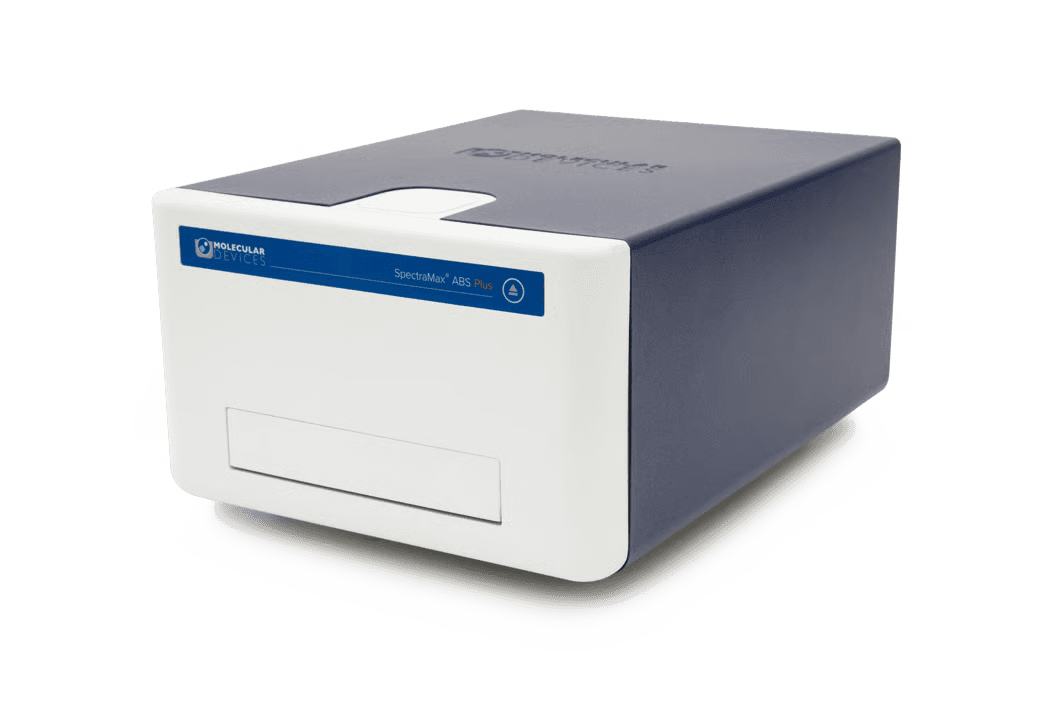
análisis de partículas guide
Particle analysis is highly important in the pharmaceutical industry, food and beverage, oils and lubricants, fuels, cleanrooms, injectables, parenterals, environmental monitoring, cosmetics, materials, automotive, paints, research, and electronics.
How to choose análisis de partículas
- To correctly select the technology to use
- You must consider the estimated size range of your sample and whether it is a sample in suspension
- A dry powder
- An air sample
- Or an oil or lubricant. It is also important to check whether you are following a specific regulation or whether you must comply with a particular standard
Brands we represent in análisis de partículas
Available análisis de partículas models
More caracterización de partículas equipment
- Contadores de partículas en aire
- Contadores de partículas en aceites y líquidos
- Contadores de partículas en líquidos
- Contadores de células
Not sure which one you need? Ask Inolab's AI advisor and get the right análisis de partículas recommendation for your application, with real specifications and a quote from a specialist. Back to the advisor ↑