
Servicio técnico
Personal técnico certificado por los fabricantes
CalificacionesMantenimientoCalibraciónInstalación
Precio especialpara academiaLectores de microplacas de absorbancia SpectraMax ABS y ABS PlusVer equipos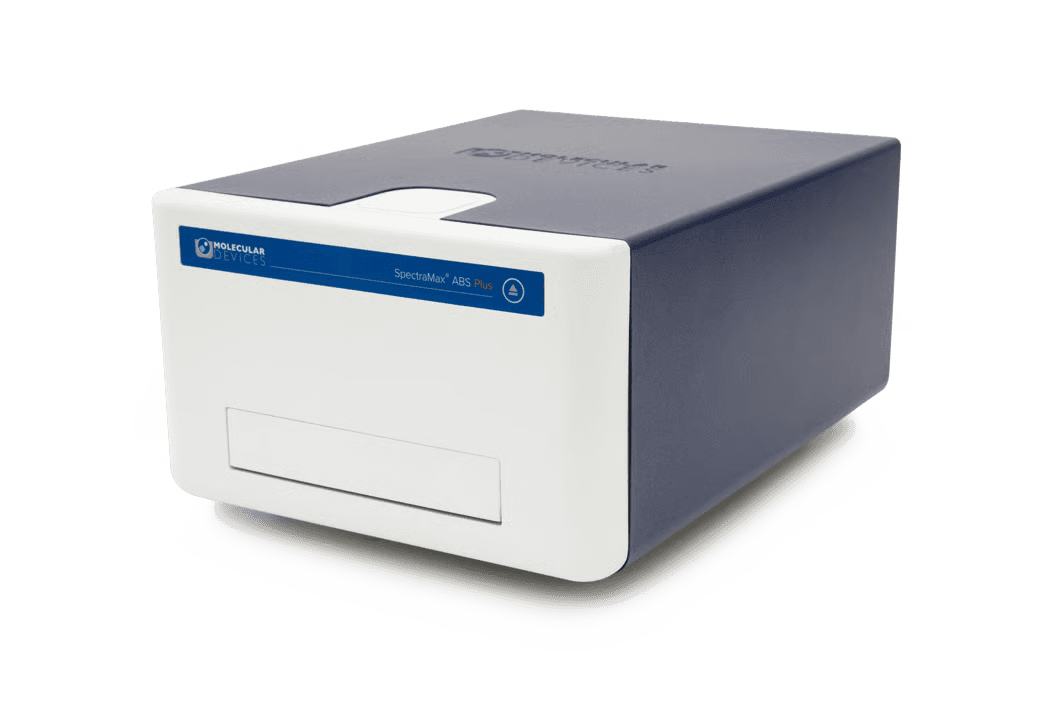
centrifugación guide
It makes it possible to sediment and isolate phases: separation of cells, blood, precipitates, nucleic acids, viruses, organelles and proteins. It cuts across clinical diagnostics, biopharmaceuticals, molecular biology, quality control and research.
How to choose centrifugación
- To select the centrifuge that best fits your laboratory's requirements
- It is important to consider the type of tubes and vessels you will work with
- The speeds at which you need to centrifuge
- The rotor type
- The temperature in order to determine whether refrigeration is necessary
- Whether you need to quantify sediments
- And the volumes to be centrifuged
Brands we represent in centrifugación
Available centrifugación models
- AirfugeBeckman Coulter
- Allegra 64RBeckman Coulter
- Allegra V-15RBeckman Coulter
- Allegra X-30Beckman Coulter
- Allegra X-30RBeckman Coulter
- Allegra X-5Beckman Coulter
- Avanti J-15Beckman Coulter
- Avanti J-15RBeckman Coulter
- Avanti J-26SBeckman Coulter
- Avanti J-HCBeckman Coulter
- Avanti JXN-26Beckman Coulter
- Avanti JXN-30Beckman Coulter
- Microfuge 16Beckman Coulter
- Microfuge 20Beckman Coulter
- Microfuge 20RBeckman Coulter
- Optima AUCBeckman Coulter
- Optima MAX-TLBeckman Coulter
- Optima MAX-XPBeckman Coulter
- Optima XEBeckman Coulter
- Optima XPNBeckman Coulter
- Optimate Generador de gradiente para centrifugaciónBeckman Coulter
- Optixtract recuperador de muestraBeckman Coulter
More separación y cuantificación equipment
Not sure which one you need? Ask Inolab's AI advisor and get the right centrifugación recommendation for your application, with real specifications and a quote from a specialist. Back to the advisor ↑