
Servicio técnico
Personal técnico certificado por los fabricantes
CalificacionesMantenimientoCalibraciónInstalación
Precio especialpara academiaLectores de microplacas de absorbancia SpectraMax ABS y ABS PlusVer equipos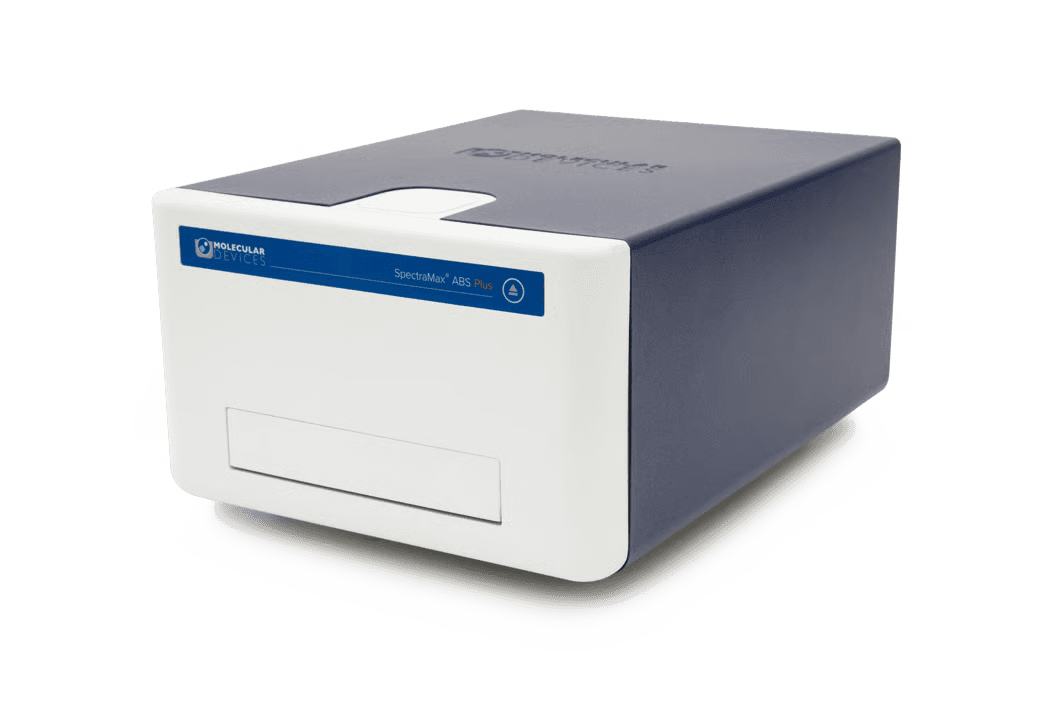
citometría de flujo guide
Flow cytometry is a technique used for the immunophenotyping of leukemias and lymphomas, the detection of diseases such as HIV, the development of cell therapies and the characterization of cell populations. It is widely used in clinical diagnostics, research, microbiology, hematology, immunology and biopharmaceuticals.
How to choose citometría de flujo
- To correctly select the technology to use
- You must consider the number of fluorochromes (colors) you wish to detect
- Whether it will be used in routine workflows such as clinical diagnostics or for research
- And whether automated sampling is needed or the instrument must perform cell sorting. It is also important to check whether you are following a specific regulation or whether you must comply with a particular standard
Available citometría de flujo models
- DxFLEX FlowBeckman Coulter Life Sciences
- AQUIOS CLBeckman Coulter Life Sciences
- CytoFLEXBeckman Coulter Life Sciences
- CytoFLEX LXBeckman Coulter Life Sciences
- CytoFLEX mosaicBeckman Coulter Life Sciences
- CytoFLEX nanoBeckman Coulter Life Sciences
- CytoFLEX SBeckman Coulter Life Sciences
- CytoFLEX SRTBeckman Coulter Life Sciences
More biotecnología y biología molecular equipment
- Lectores de microplacas
- Microarreglos
- Cribado y selección de clones
- Electrofisiología
- Analizadores ELISpot/FluoroSpot
Not sure which one you need? Ask Inolab's AI advisor and get the right citometría de flujo recommendation for your application, with real specifications and a quote from a specialist. Back to the advisor ↑